20 Easy Reasons for Choosing Curtain Fabric in Walsall, Birmingham and Lichfield
Wiki Article
Investing In Comfort: How To Match Upholstery Fabric With Custom Made Blinds
The true comfort of a space is not a passive experience it's a planned ambience that is built from texture acoustics, light and acoustic harmony. The biggest contributors to this environment are the two largest fabrics: your furniture and curtains. It is common to select the two fabrics in a separate manner, resulting in a sense of dissonance. A space that looks well-organized but still feels uneasy. This guide suggests the combination of custom-made curtains and upholstery fabric is an exercise to create a harmonious sense of. It's an investment that goes beyond mere color matching. We will explore ten important, nuanced factors that influence the pairing. Utilizing the strengths of the fabric shops in the West Midlands we can create a cohesive, durable and deeply relaxing end result.
Top 10 Things To Learn In Detail:
1. The Textural Dialogue and Hierarchy From the Fingertips to the Floors.
Comfort is first felt and then seen. Begin by creating a dialogue between the fabrics. Contrast is the rule in an unifying language. It is possible to pair with a natural linen couch (which is soft and inviting) with wool, velvet, or heavyweight fabric for the curtains. (This gives you a soft, calm look and soft light absorption. If you're using a tight-weave, sleek chenille, then curtains with a physical depth are needed. This could be a coarser herringbone fabric, or silk that is slubbed. The carefully selected boutiques in Lichfield allow you to take your time and talk about fabric. Avoid pairing two slick fabrics (e.g. or sateen and leather), which creates an icy, slippery environment or two incredibly rough textures, which could make you feel dry and drained.
2. The Acoustic Engineering Duet.
Acoustic panels typically consist up of heavy curtains and furniture that has padded upholstery. Think about their pairings for sound-dissipation. A thick and supple fabric like velvet with a high pile, can absorb high and middle-range frequencies. Use it in conjunction with thick interlined curtains like felted wool or triple-weaved, to block out external noise and suffocate lower frequencies. This will create a calming, peaceful environment. Birmingham's industrial fabric shops which are used to providing offices and hotels with fabric upholstery for contract, can offer technical data about sound absorption (NRC values). This can help you to create a more streamlined approach to peace at home.
3. The Light-Life Analysis: How each fabric will age under the influence of the sun.
This is the base of your practical longevity. Make a plan for the path of the sun in your room. The sofa or the chair in the direct glare needs an upholstery fabric that has exceptional UV stability (often indicated by a high Martindale rub count or dyed solution fibres that are available from Birmingham's contract suppliers). Curtains for the same window must be lined, regardless of the fabric used on the front, with UV-protective, coated blackout curtain. If your home is that faces north and has an ethereal light, you can use a delicate fabric like silk or wool that has stunning sheen. It is available in Lichfield. A sun-resistant sofa paired with a plain silk curtain in a room with lots of light is a way to protect yourself from rapid deterioration.
4. The "Maintenance Rhythm" Synchronisation: Making sure that you have a harmonious care schedule.
The fabric you choose should be compatible with your maintenance requirements. The combination of a sofa upholstered in a delicate fabric with a linen look that is only dry cleanable and cotton curtains which can be machine washed could be a disaster for comfort. The one that requires costly professional cleaning is put in the washing machine and causes an imbalance in wear freshness, quality, or expense. Assist in a uniform cleaning regime. It is crucial to choose top-quality fabrics, like crypton upholstery (available in Walsall's store for practical purchases) with washable, long-lasting curtain fabric, like treated cottons or canvas suitable for homes that are family-friendly.
5. The balance of drape and weight: Visual and physical balance in the space.
The weight of your fabric will affect the perception of the room. The curtains must be full length, deep pleated and made of heavy fabrics such as brocade, wooly or a leather with a substantial hand. A softer and sluggish mid-century sofa made of a crisp cotton calls for curtains with a lighter drape--a linen blend or a heavy voile--that can puddle or float. The wrong balance (heavy furniture with flimsy curtains, or vice versa) makes the room feel like it's a mess and is subconsciously uncomfortable.
6. The pattern and Scale Conversation: A Dialogue, Not a Monologue.
Pairing patterns requires speaking the same visual language at different levels. If your upholstery fabric has a large and bold floral, your curtain material will have a subtle appearance. This could be achieved with a geometric design or a solid with a distinct weave, or a subtle stripe to highlight a colour secondary from your upholstery. It is also possible to reverse the effect for a solid, textured sofa can be used to create a moderate-sized pattern to be applied to the curtains. Don't have two patterns that shout at each other. Walsall’s fabric shops specialize in traditional domestics and are a great location to locate classic, small-scale curtain patterns.
7. Local Ecosystems of Coordination: How to Use the Eyes of One Shop in bringing the Scheme together.
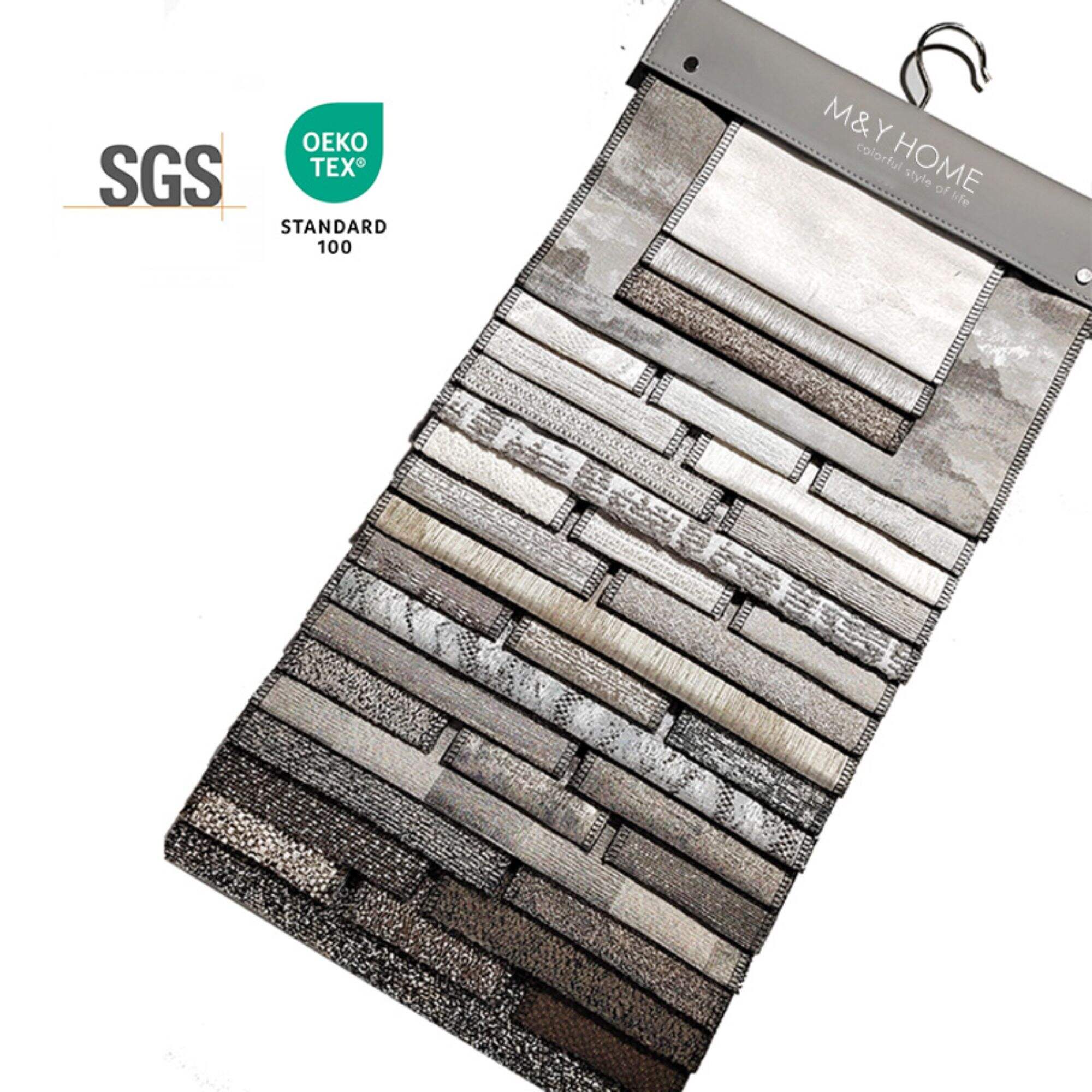
This is where Lichfield's specialist shops are a highlight. You can find the perfect combination of colour and texture from an online store with a carefully selected assortment, rather than buying upholstery fabrics in the city, and curtain fabric in another. They often have sample books that contain diverse collections of mills that create both heavier upholstery as well as furnishing weights. With a trained eye of the assistant, it is possible to ensure that the undertones like grey and beige are in harmony and are impossible to achieve when purchasing from disparate or different lighting locations. This creates a seamless, intentional look that feels professionally composed.
8. The Investment Apportionment Strategist: Where To Spend and where to save.
A truly strategic investment in comfort. Spend your money where it has the biggest impact on comfort and wear. This could mean choosing upholstery fabrics that have better quality (for longevity) or using curtain fabric that is more economical. For instance, you could choose a luxurious velvet that is durable from Birmingham as well as a cheaper yet still intriguing heavy cotton from Walsall for your curtains. It is possible to save money to buy a top-quality interlining and professional making up. The curtain's luxury comes not just from the fabric, but also from its structure.
9. Fabric-based pairings that invoke particular moods.
Think about the mood. If you're looking to create a calm and cozy atmosphere in your library or bedroom choose matte, deep-toned fabrics. For instance velvet curtains or suede furniture take in sound, light and create a sense of calm. To create a bright fresh and airy sunroom, you can combine, textural fabric: A cotton tickling or ducking on the seating, along with a linen union curtain that is light reflecting and has a breathable feel. This intentional pairing transcends aesthetics and incorporates environmental psychology. The fabric helps define the emotional temperature in the space.
10. Timeless neutrals and changeable layers are the "future-proofing" of your home.
The most effective option is to pair with a timeless, neutral upholstery fabric (such as a stone colored wool blend or a charcoal-colored tweed) with custom-designed curtains that are more affordable and more easily to change. Curtains can be adjusted according to seasons or mood. You can make curtains in any colour or pattern you prefer and your sofas and armchairs will last for years. This approach encourages curtains to be an element that can be regenerated in the inside ecosystem. It makes the first pairing a challenge to create an versatile, pliable and sturdy frame of comfort. Have a look at the top fabric shops in Birmingham for website tips including window curtain, window blinds curtains, curtain fabric online, curtain poles and curtains, curtains in a window, hole in the wall curtains, curtain store, curtain sizes, in window blinds, fabric and curtains and more.
Dress Fabrics Add A Unique Fashion To Customized Curtains
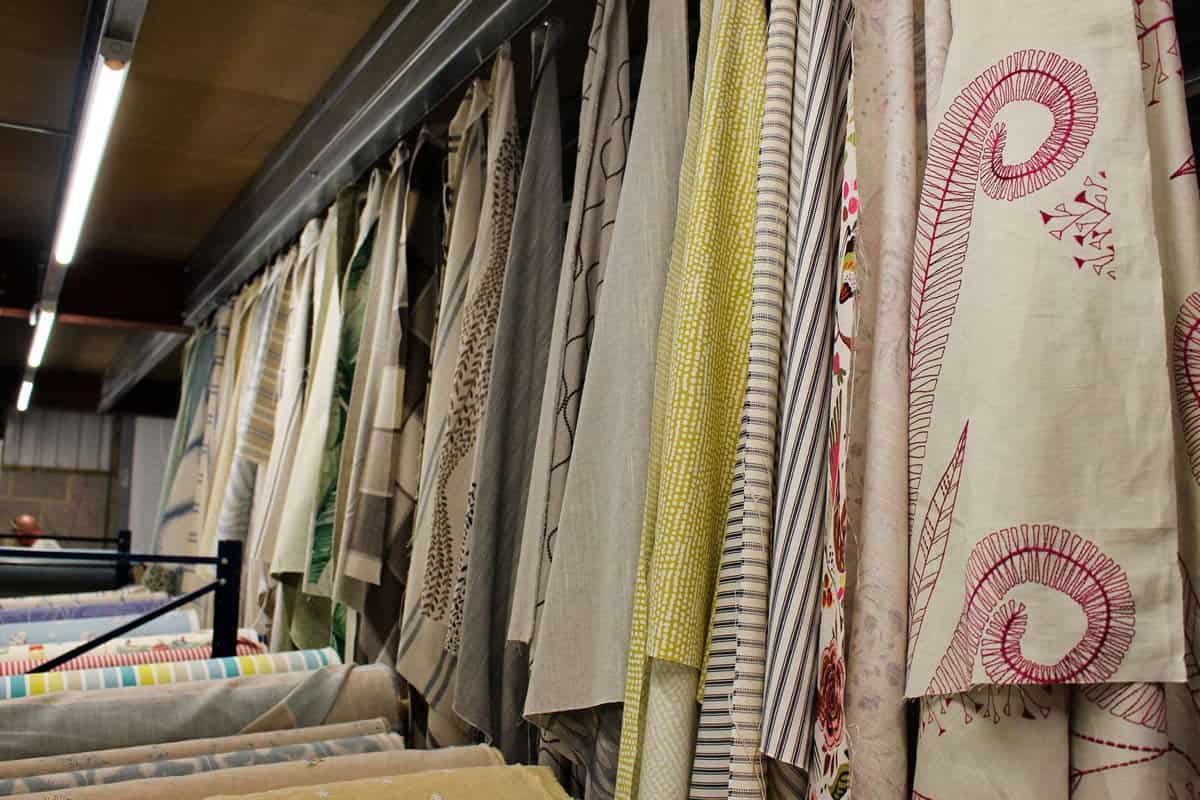
While the world of curtain fabric is extensive, there are a few expectations that are described as the management of weight, durability and regulating light. The incorporation of dress fabrics into customized drapes is not an ordinary substitute for fabric, but is a deliberate and an innovative leap. This cross-over combines the vibrant colors, intricate patterns and flowing drape of fabrics for garments to imbue windows with personality. But, this isn't an easy, risk-free option. It requires a nuanced understanding fabric science, innovative design, and strategic sourcing. This guide will provide ten key insights that will aid you in turning a dress fabric into drapery. It can be used to transform a faux pas, such as the silks found in the Lichfield store, into an elegant interior design.
10 Top Things to Know
1. The Structural Enhancement Imperative Dress Fabric is a Component, Not a Single.
It is a truism that dresses alone are seldom enough to allow a curtain function. Its main purpose is to be the stylish "face." It is required to be coupled to a hidden structure. The calico is then backed by a solid neutral material (called an 'underlining" when making dresses). This provides the garment with body and a lustrous appearance. The three-layer sandwich helps stabilize the lighter and more flexible dress fabric. It also reduces seam strain and allows the fabric to hang as a furnishing fabric. A curtain maker familiar with this technique is essential; many in Walsall or Birmingham's workrooms might hesitate, but a Lichfield-recommended artisan, versed in delicate cloth, will understand.
2. Sunlight and Sanctuary Test.
The most efficient applications are located in rooms where fabric is shielded from the hot and long-lasting sun. A reading nook with a north-facing view, a bedroom with shaded windows, or an interior bathroom are ideal candidates. A silk taffeta fabric or viscose that has a print on it, placed in a south-facing bay is sure to trigger an immediate, painful fade. The consideration of geography should be used to determine your project's placement before you ever step foot into the fabric shop. Your search is refined to "any fabric" or "a fabric that will work in a sheltered zone".
3. The Lichfield Loophole.
Lichfield is the place to go for shopping for fabrics. The most expensive dress fabric is usually sold in three-metre bolt-ends that are not sufficient for a gown but perfect for a single statement window or a pair of curtains for a cafe. These remnants of European or Liberty mills feature exclusive patterns with a price that is affordable. The limited metreage calls for an innovative use - perhaps a dressing room canopy or skirt, instead of full-length curtains for your drawing room - which often produces the most stunning results.
4. The Width Mismatch Calc: Letting go of the Seam as Design Features.
Dress fabrics are generally smaller (115cm to 140cm) than curtain fabrics (137cm and 150cm). It is necessary to have more vertical seams to get the necessary fullness (2.5% of rail width). You might consider highlighting them rather than covering them. Use a contrasting piping, sourced from Lichfield’s exquisite haberdasheries and inserted into each seam. Also, you can put a vertical strip of complementary upholstery fabric around each joint. This transforms a practical necessity into an elegant styled look inspired by couture, and echoes the slender edges of a tailored suit.
5. The "Upholstery Fabric: Partnership": Make a Coherent Blend.
Pure curtains made of dress fabric can feel whimsical; the combination of them with upholstery fabric provides a base for the design. Use the dress textile to highlight the curtains. A edge that is gathered, a leading edge that contrasts, or a layered pelmet could be added over solid heavyweight fabrics. You can also use less expensive dress fabrics (a millimetre from Birmingham's Rag Market), while still getting the similar light blocking and thermal mass as a good upholstery fabric. It helps create a conversation between delicate and substantial.
6. The formal to the fluid spectrum Achieving the right fabric type for Curtain Style.
Not all styles of curtains work with dress fabrics. Apply the same principles to match the style of the curtain to the dress. A formal brocade or dupion silk, which is designed for formal wear is great for elegant, flat-pleated curtains that have sharp lines. A flowing crepe de lachine also known as jersey, which is designed for dresses works well with curtains that have loosely pulled-together "puddles" as well as a soft, natural drape. Birmingham's vendors may just offer fabric per yard, but a Lichfield retailer can provide guidance on the "drape factor" which will determine the curtain's header and design.
7. The Carecycle Conundrum The Carecycle Conundrum, Planning for Delicate Maintenance.
It's impossible to create custom curtains from dress fabric. The story behind your curtains includes their cleaning and maintenance. Certain areas may require professional steaming as opposed to cleaning, gentle vacuuming with brushes, or a seasonal rotating of lighting. It is important to make this choice conscious. When you are looking for cleaning products, ask about it when you shop. A Walsall shop might provide advice on the practicality of your choice, while an Lichfield shop will discuss the patina that naturally develops on silks and natural linens in time and become an attribute.
8. Birmingham Market Foray in Birmingham. Are you looking for theatrical or Heavier Dress Cloth.
Birmingham's markets feature stalls devoted to costumes, theatre, or historical reenactments. You can find a lot of heavier "dress" fabric: velvets for cloaks, wool twills to make coats or nets that are heavily embroidering. These already possess some of the body and strength required for curtains, and need less structural enhancement. This specialized sourcing transforms the Birmingham journey into a hunt for the unusually robust within the category of dress.
9. The Harmony of the Header and Hardware: Choosing the Best Treatment.
Curtains must have a head that complements the fabric. A huge, rigid pinch pleat will destroy delicate chiffon. Choose a simple, gathered top the pole, or use with a tab hidden for a more ethereal look. Three pleats on a wooden rod is the most effective method to enhance the formality of an oversized dress Jacquard. Make sure to consult with your designer prior to purchasing fabric, as this can affect cut lengths as well as tension points. Walsall workers can make use of a standard tape finish and you should push them to something that is more pliable.
10. The Narrative Integration: Let the Fabric's Story define the mood of the room.
The final decision is about story telling. The curtain is made of an enthralling African print that can be found in specific Birmingham markets. It is a story of global color. The linen curtains fashioned from pieces of a Lichfield summer suit are a wonderful example of breezy, rural elegance. This goes well beyond mere decor. This approach asks for the meaning of a window treatment to transcend mere decoration. It transforms the screen from a screen to a portrait, which is a frame of a textile which was cut from a bolt of fabric that was labeled for dresses, and then moved to a different location so it will dance in the light.