20 Great Pieces Of Advice For Picking Termite Extermination Services In Jakarta
Wiki Article
Jakarta Homes: Subterranean Termite Defense
Walk through any Jakarta neighborhood--Menteng, Kebayoran Baru, Kelapa Gading--and you will see them: door frames swollen at the base, fine brown lines climbing foundation walls, tiny pinprick holes in skirting boards. A majority of homeowners believe that this is normal wear and tear. It isn't. It is an indication of a subterranean termite-infested colony which has infiltrated the building. It is fed all day, every day of the week, due to Jakarta's relentless humidity and the latest construction techniques. Defending the integrity of a Jakarta home means renouncing everything that pest control manuals from the United States provide and adopting methods that are tailored to the city's particular species, soil type, and climate.
1. The Window and Door Frame Virus
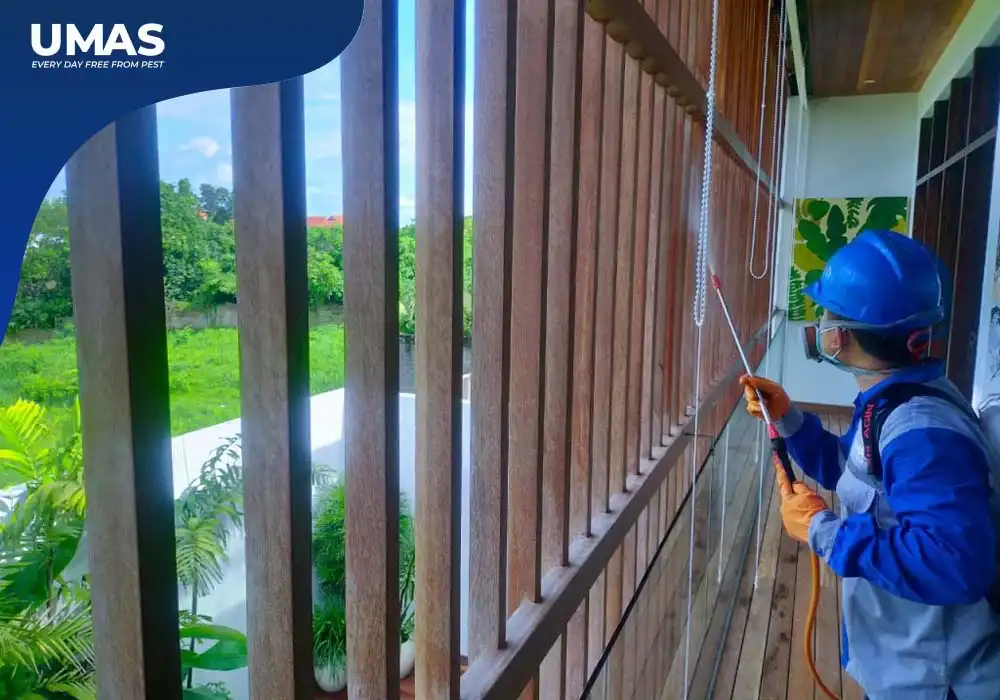
Jakarta termites are unable to burst into concrete slabs. They are found when masonry meets wood at a height that is human. About half of all reported termite attacks happen in windowsills, door jambs and wooden frames encased within brick walls. Anti-termite companies that send out drills and injection rods to the floor slabs are fighting a losing battle. The actual battlefield is below waist level, where moisture condenses and seeps in the untreated wood.
2. Four Species, One City, Different Rules
Jakarta has at least 4 distinct species of subterranean Termite. The different species of termites do not act the same. Coptotermes Gestroi is a ferocious structural invader. Microtermes insperatus has an numerically superior, but less destructive cousin called Microtermes gestroi. Macrotermes gilvus builds visible mounds in gardens. Coptotermes gilvus prefers trees that are alive but will move into homes once they have run out of wood. They aren't able to be selected by pest control workers who are not able to differentiate between them.
3. The Six-Week Truth
No legitimate colony elimination occurs over night. It takes six to eight week for chlorfluazuron to traverse a colony through trophallaxis, the mouth-to-mouth food sharing which defines the termite's social life. Pest control companies promising 24 hour removal are selling poisons that kill the foragers but keep the reproductive nucleus of the underground.
4. Above-Ground Power Stations A Revolution in Everything
A perimeter station is helpful to monitor, but is useless against an infestation that has already taken place within the building. Above-ground bait stations are small cartridges of bait directly bonded to the mud tubes - push toxicants into the colony's active road. Jakarta exterminators that do not have above-ground stations sell inspections, not treatment.
5. The Soil Moisture Trap
Jakarta's silty clay soils retain water. Termites favor soils with water content of more than 22 percent. Injecting chemicals into a termite habitat without taking a look at the drainage system, downspouts or sprays for irrigation is an expensive error.
6. Pine Stake Forensics
Before recommending treatment to the client, the experienced exterminators in Jakarta will dig up Pinus Merkusii stakes that have not been treated within the perimeter. Thirty days later, they excavate and weigh them. Weight loss greater than thirty percent indicates high foraging and warrants intervention. It is not just a guess; this is a calibrated, easily accessible entomology.
7. Green Belt Hazard
Nine Jakarta sub-districts carry extreme termite risk: Penjaringan, Pademangan, Palmerah, Kebayoran Baru, Jagakarsa, Pesanggrahan, Kramatjati, Duren Sawit, and Cipayung. These areas share one characteristic--significant remaining green space that sustains parent colonies. Homes in this zone require regular inspections every quarter, as well as constant baiting. Annual contracts are not enough.
8. New constructions are not secure
Termites alter their behavior in response to urbanization. They settle in the dirt brought in for new housing developments, and forage along utility trenches and colonize irrigated landscapes installed by developers. A newly built BSD home or Bekasi home isn't an unfinished piece of land. It was colonized by termites it the day after the first plants were planted.
9. Short-Rotation Teak is Not the Teak of your Grandfather
The silica and oils in traditional Javanese teak, harvested at sixty years of age, deter termites. Modern teak that is harvested from plantations at 15 years is not. Much of the "teak" used in Jakarta's contemporary housing is botanically identical but chemically inexperienced. Termites often flock to the wooden structures of homeowners who pay high price for termite resistant wood.
10. The Mud Tube Forensics Rule
Never scrape or sand a dirt tub without first examining what it shows. The tube's beginning point is the soil entry zone. The tube's diameter corresponds to the colony's age. The place of the colony (bathroom or outside wall or kitchen) determines what moisture sources are feeding the infestation. A tube that's been removed without reading it is similar to deleting video surveillance and not having seen it.
Also, you can read our conclusion.
Jakarta homes are not under attack from an invader. Residents have taken residence in the homes, adapted to Jakarta's peculiar environment. The species is well-known. The attack patterns are recognized. Treatment time frames can be analyzed. One thing remains to be determined that homeowners, and the antitermite service they contract, will renounce myths about pest control and implement procedures that are validated by the termites that live underground in Jakarta. The science is already there. You must decide if you'd like to use it. View the most popular jasa pembasmi rayap for blog examples including anti rayap, rayap kecil, jasa anti rayap jakarta, jasa basmi rayap, anti hama, pest control harga, rayap lemari, anti hama, rayap lemari, jasa pengendalian hama and more.
Alternatives To Fumigation In Indonesian Villas, Such As Jakarta
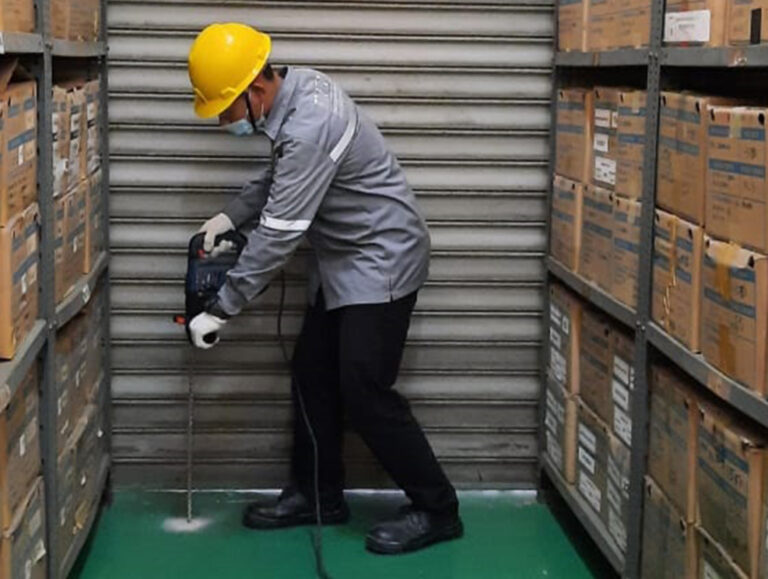
Indonesian home owners are trained to believe that tent fumigation can be the only answer when termites subterranean are a problem in roof areas or embedding timbers. Fumigation companies promote and perpetuate this notion that is backed by homeowners' anxiety. The tent falls on the neighbor, the family leaves the house for three days, colony within the walls dies. After 18 months, the community within your garden will re-build the tunnels for food, unaffected by the gas. Fumigation can sterilize a building however, it has no impact on the landscape reservoir. For Jakarta anti-termite services serving the villa market, offering an alternative that is viable is not charitable; it's competitive positioning. People who own eight bedrooms located in Pondok Indah, or vacation compounds in Puncak do not want to pitch tents. They want the colony eliminated without the spectacle, the evacuation, or the risk of reinfestation.
1. Baiting and Fumigation both cause the death of the colony.
Tent fumigation is a technique of delivering lethal gas to every void space inside the envelope of the building. The entire termite colony inside the building is destroyed. The colony beneath the driveway, in the garden or the neighboring property isn't affected. Trophallaxis is a mechanism through the toxicant is delivered through baiting of the colony's nucleus. The colony dies. The structure becomes reinfestation-resistant because the source population is eliminated. Homeowners who understand this distinction rarely choose fumigation twice.
2. Heat Treatment Permeates Where Gas Is Not Able to
The whole-structure heat treatment increases the temperature inside of the timber to fifty degrees Celsius and keeps it there for 1 hour. This kills all living organisms, including the eggs. No tenting is required and there aren't any chemicals left in the wood. Indonesian villas with beams exposed construction, elaborate carvings and timber from the past are suitable for treatment with heat. The equipment is in place. The equipment is there. The homeowner needs to be aware of all options.
3. Electro-Gun Technology to Localize Infestations
High-frequency microwaves emit radiation that triggers water molecules inside wood. This heat is lethal in areas of infestation without affecting the surrounding materials. For villa owners who discover active termites inside one carved door frame or a single roof truss, electro-gun treatment clears the problem in a single visit without the need to evacuate the house. Jakarta exterminators opted not to bring in commercial technology, which is not experimental.
4. Wood Injection Systems Preserve Architectural Fabric
Capillary action permits liquid borate formulations to move through timber when injected under pressure. This renders the whole substance toxic for many years. The nail holes that are present are deeper than the drill holes. The carving is not damaged. The doorframe is still intact. Indonesian owners of villas often refuse the treatment when exterminators offer it after suggesting replacement. Offered before replacement, injection is approved.
5. Baiting Above Ground to Find Hidden Cavity Colonies
Tent fumigation was the preferred method used by Coptotermesgestroi to establish an aerial nest inside the walls or in roof spaces. Above-ground stations that are connected to the mud tube active arising from the ceiling's corners of baseboards and then secure them, deliver poison directly into the nest. The colony devours its own construction workers when they travel back through the baited tube. There's no tent. No evacuation. No evacuation.
6. Nitrogen Freezing for Small-Scale Heritage Components
Termites in wood are frozen quickly when liquid nitrogen is circulated through the wood. The freeze process is followed by thawing, after which it repeats. Cryogenics is the method used, not chemicals. If you've got a tiny population of ants on antique or museum-quality Javanese carvings, nitrogen freezing will preserve the patina. Heat treatment and injection could cause the patina to darken.
7. Physical Barrier Retrofit Prevents Reinfestation
The house that is prone to evaporation every year without ever putting up physical barriers, is renting the sterility. After removal of the colony, a stainless steel mesh or polymer sheet retrofitted with perimeter excavation will prevent subterranean pests from gaining access to the structure. Fumigation alternatives are most compelling when combined with a permanent exclusion structure. Make the combination available for sale. Eliminate the active colony by baiting, and then install barriers to ensure that there is only one colony ever to inhabit the structure.
8. Carbon Dioxide Purging for Enclosed Spaces
The termites trapped in these areas will be killed if they fail to receive enough oxygen. This is the reason why only tenting partial buildings, not the whole building is necessary. CO2 dissipates rapidly and does not leave any residue and poses little risk to the inhabitants if re-entry protocols are followed. Fumigation of the entire structure is overkill for Indonesian villas, where termite activity is confined to the roof structure.
9. Information on Baiting Times and Disclosure Upstream
Fumigation is a method to kill termites in 72 hours. Baiting eradicates colonies between six to eight weeks. When the timeline is revealed after mobilisation, villa owners who are familiar with tenting's speed will reject baiting. The timeline is disclosed prior to contract execution, the timeline is accepted as the cost of not having to evacuate. Jakarta antitermite companies that hide baiting times until the proposal is received are creating their close rate problems.
10. The Reservoir Colony Needs to Be Attenuated
At least one colony per villa is located in the vicinity of a green area, a cemetery or a lot that is not developed. Fumigation doesn't affect this colony. The colony won't be affected by injections, heat treatments or baiting in the event that it is not within the arc of the structure. Landscape baiting grids offer a comprehensive fumigation alternative that targets the external colony, which will otherwise reinfest your home in the next 18 months. Pest control companies that treat the structure, but do not treat the reservoir are offering temporary relief, but not permanent exclusion.
The article's conclusion is:
Indonesian homeowners do not want their homes evicted. They don't want tenting equipment staged on their lawns that are manicured. They don't like neighbors asking if their home is plagued. What they want is the death of the colony and the guarantee that it won't return. Fumigation can accomplish the first goal with confidence but the second not at all. The use of integrated protocols versus alternative options like baiting and the use of microwave technology, heat treatment, nitrogen freezing with wood or CO2 purging will accomplish both goals. Jakarta anti-termite service providers who claim to be alternative fumigation services -- with multiple elimination techniques as well as educating technicians on species-specific protocols, and documenting the results of reinfestation prevention measures -- will capture the premium villa sector that is currently being held in tents that contract. Equipment investment is considerable. The training investment is continuing. The demand is already very high. Villa owners are looking for "fumigation alternatives Jakarta" frequently. It is essential to know which exterminators that have alternative protocols will appear in the results search engine and those that will go with tents. Read the recommended anti rayap jakarta for blog tips including rayap kecil, jasa anti rayap tangerang, jasa basmi rayap, lemari anti rayap, penyebab rayap, jasa anti rayap, bahan lemari anti rayap, jasa basmi hama, anti rayap untuk kayu, cara membasmi rayap di lemari kayu and more.